
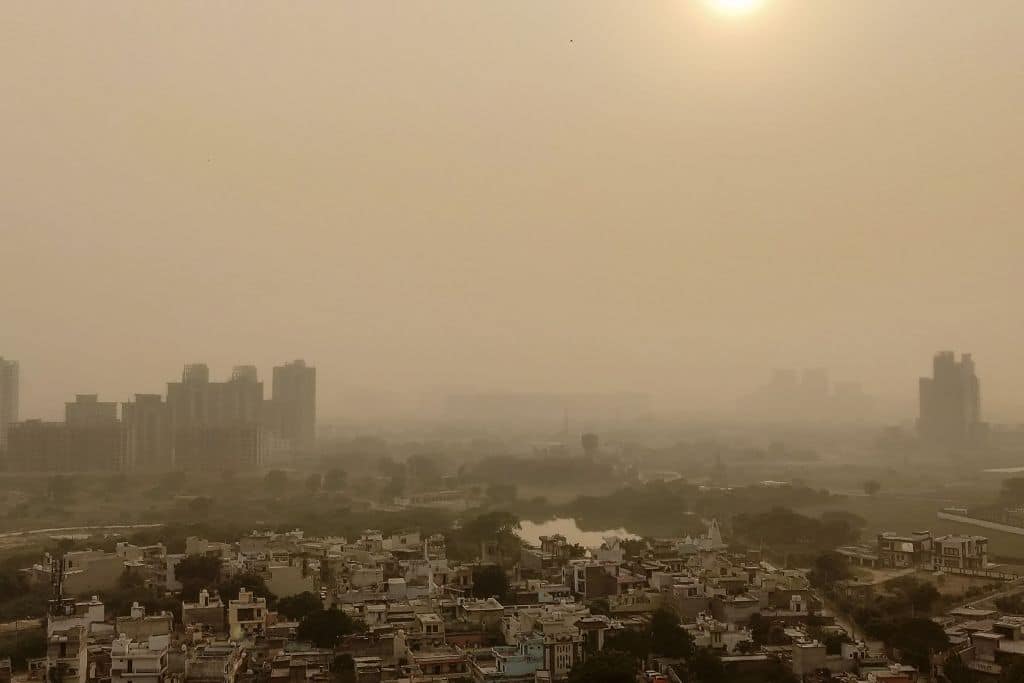
Air Quality Index (AQI): Understanding the Air We Breathe and Why It Matters Today
Air pollution has silently become one of the biggest public health challenges of our time. In many cities, stepping outside no longer guarantees fresh air. This is where the Air Quality Index (AQI) plays a crucial role. AQI helps people understand how clean or polluted the air is and what potential health effects they might face on a daily basis.
In this article, we will clearly explain what AQI is, how it works, why AQI levels are worsening in India, and what individuals and governments can do to improve air quality.
What Is AQI (Air Quality Index)?
The Air Quality Index (AQI) is a numerical scale used to measure and communicate the level of air pollution in a specific area. Instead of presenting complex scientific data, AQI converts pollution levels into a simple number and color code that anyone can understand.
AQI is calculated using major air pollutants such as:
- PM2.5 (fine particulate matter)
- PM10
- Nitrogen dioxide (NO₂)
- Sulphur dioxide (SO₂)
- Carbon monoxide (CO)
- Ozone (O₃)
Higher AQI values indicate worse air quality and greater health risks.
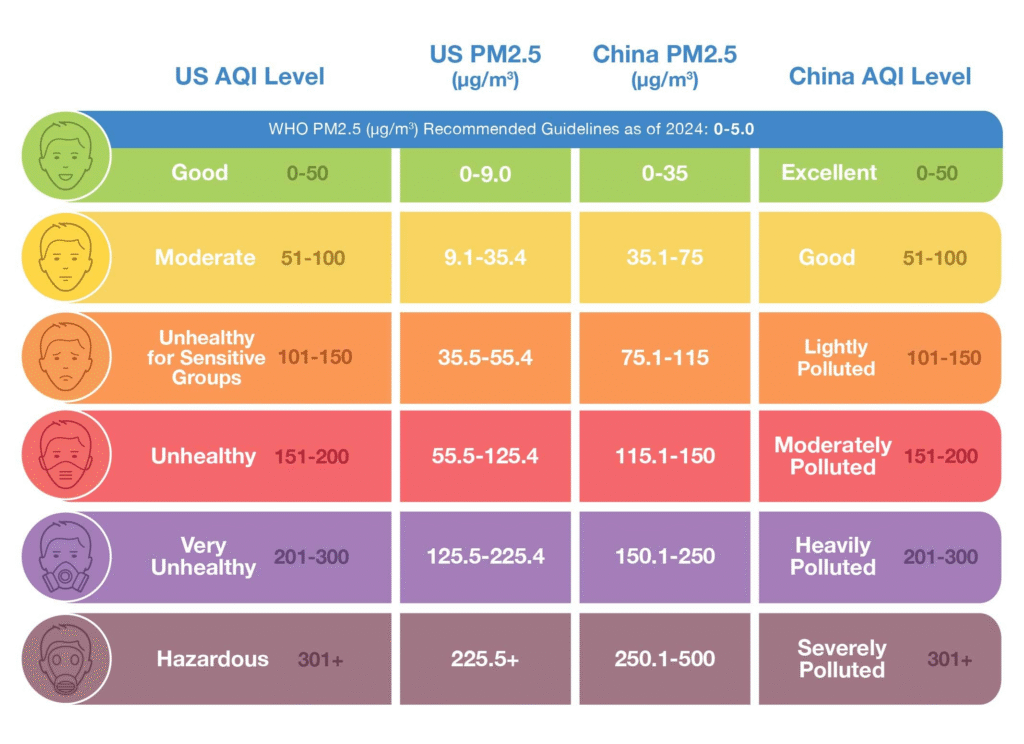
AQI Categories and Their Meaning
AQI levels are generally divided into the following categories:
- Good (0–50): Clean air, minimal health risk
- Satisfactory (51–100): Minor discomfort for sensitive individuals
- Moderate (101–200): Breathing discomfort for people with lung or heart disease
- Poor (201–300): Prolonged exposure can cause respiratory illness
- Very Poor (301–400): Serious health effects, especially for children and elderly
- Severe (401+): High risk for everyone, even healthy individuals
Understanding these levels helps people take precautions such as reducing outdoor activities or using air purifiers.
Why Is AQI Getting Worse in India?
India frequently records some of the highest AQI levels in the world. The major reasons include:
- Vehicular Emissions
- Industrial Pollution
- Construction and Road Dust
- Crop Burning
For students and researchers looking to understand environmental trends and pollution data in depth, platforms like Mystudie provide structured, easy-to-understand academic content related to environmental studies and public health.
Health Effects of Poor AQI
Poor air quality does not affect everyone equally, but long-term exposure can lead to serious health issues such as:
- Reduced lung function
- Chronic respiratory diseases (asthma, bronchitis)
- Heart attacks and strokes
- Eye and throat irritation
- Weakened immune system
- Developmental issues in children
Even healthy individuals may experience fatigue, headaches, or breathing difficulty when AQI levels remain high for extended periods.
How AQI Impacts Daily Life
- High AQI levels influence everyday decisions:
- Schools may restrict outdoor activities
- Construction work may be halted
- People avoid morning walks or exercise outdoors
- Mask usage increases
- Hospitals see a rise in respiratory cases
AQI has moved beyond being just an environmental metric—it now directly affects lifestyle, productivity, and healthcare systems.
What Can Individuals Do to Reduce Exposure?
While policy-level changes take time, individuals can still protect themselves by:
- Monitoring daily AQI reports
- Avoiding outdoor activities during high AQI periods
- Using public transport or carpooling
- Wearing certified pollution masks
- Keeping indoor plants that help improve air quality
- Using air purifiers at home, especially for children and elderly
Small lifestyle changes, when adopted collectively, can make a meaningful difference.
Long-Term Solutions for Better Air Quality
Improving AQI requires coordinated efforts at multiple levels:
- Transition to electric and cleaner fuel vehicles
- Promoting renewable energy sources
- Strict monitoring of industrial emissions
- Sustainable construction practices
- Strong enforcement of pollution control laws
- Public awareness and education
Educating the younger generation through structured learning resources, such as environmental study material available on Mystudie, can help build long-term awareness and responsible behavior.
Conclusion
The Air Quality Index is not just a number—it is a warning system that reflects the health of our environment and society. As AQI levels continue to rise in many regions, understanding air pollution and taking informed action has become essential.
Cleaner air is not a luxury; it is a necessity. By staying informed, making responsible choices, and supporting sustainable policies, we can work toward a future where breathing clean air is once again a basic human right.