
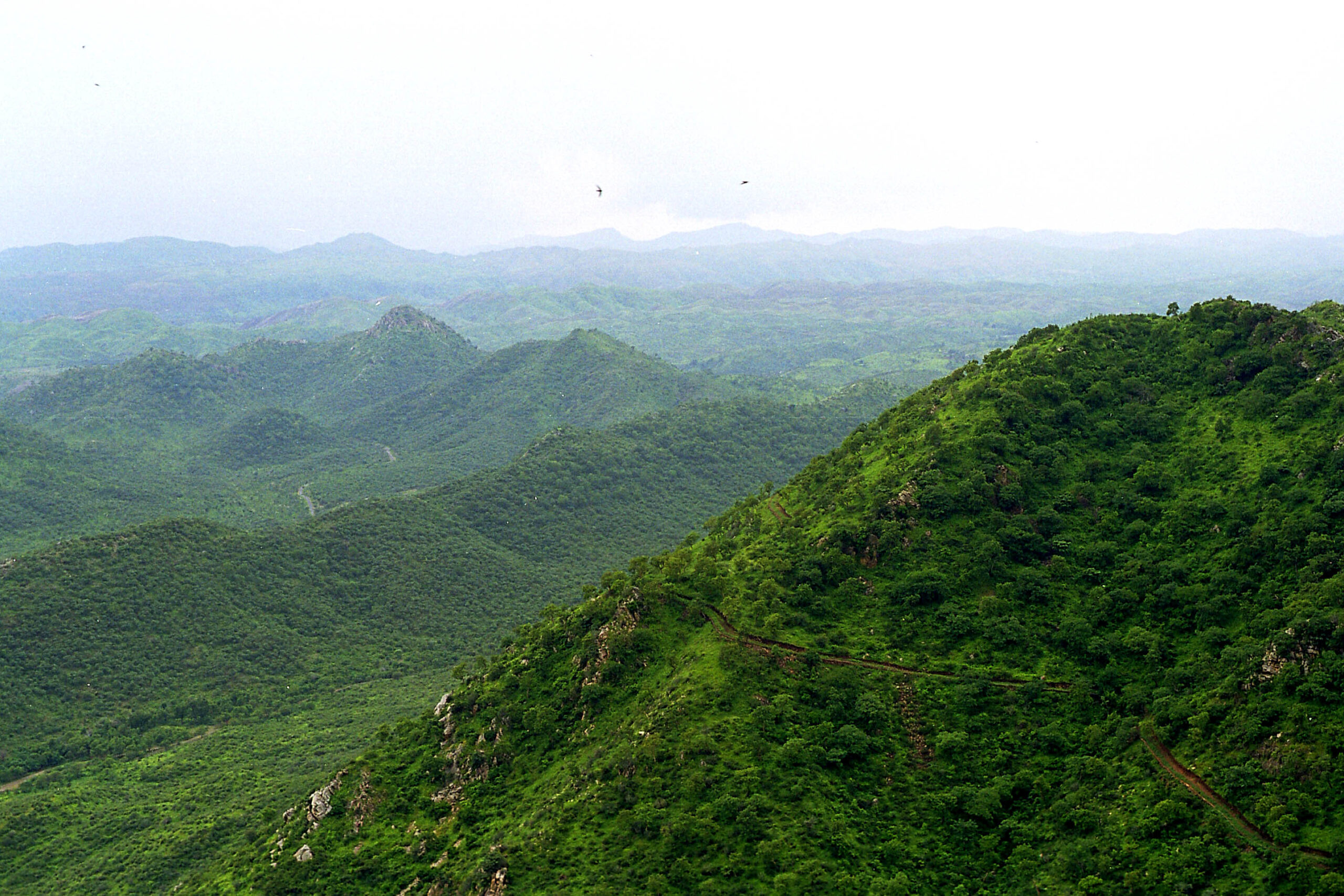
Save Aravali
The Aravalli Hills, one of the world’s oldest mountain ranges, stretch across Rajasthan, Haryana, Delhi, and Gujarat and play a vital role in controlling desert spread, recharging groundwater, improving air quality, and balancing climate in North India.
Today, the hills are under threat due to mining, urban expansion, and reduced legal protection, turning many areas into environmental hotspots. This has triggered protests because damaging the Aravallis can lead to water shortages, higher pollution, extreme heat, dust storms, and faster desertification.
Experts warn that harming the Aravallis is not development—it risks the environmental and human future of North India.
What Are the Aravalli Hills?
The Aravalli Hills are among the oldest mountain ranges on Earth, formed nearly 1.5 to 2 billion years ago.
They stretch across Rajasthan, Haryana, Delhi, and Gujarat, covering roughly 800 kilometers from southwest to northeast India.
These hills are not high like the Himalayas, but their role is critical. For centuries, the Aravallis have acted as a natural wall between the Thar Desert and the fertile plains of northern India.
They support forests, wildlife, groundwater systems, and the climate balance of densely populated regions, including Delhi-NCR.
Why Are the Aravalli Hills Being Cut Today?
The primary reasons behind the destruction are:
- Mining (legal and illegal) for stone, marble, and minerals
- Real estate expansion near NCR cities
- Infrastructure projects without ecological safeguards
- Redefinition of “hill” areas, which reduces legal protection
Recently, a legal interpretation linked hill protection to minimum elevation criteria, leaving large parts of the Aravalli range outside environmental safeguards. This has turned many areas into hotspots for mining and land conversion, especially in Rajasthan and Haryana.
Why Are People Protesting? Why the Aravallis Matter?
Protests are rising because the Aravallis are not just hills — they are life-support systems.
People, environmentalists, and local communities argue that:
- The Aravallis recharge groundwater for millions
- They control air pollution, especially dust storms
- They slow desertification from the Thar
- They protect biodiversity, forests, and wildlife corridors
- They help regulate temperature and rainfall patterns
For Delhi-NCR and nearby regions, the Aravallis function like natural lungs and water tanks. Their destruction directly affects daily life.
Verified Data Sources & Facts
Geological Age & Importance of Aravalli Hills
Fact: Aravalli Range is one of the oldest mountain ranges in the world (1.5–2 billion years old).
Source: Geological Survey of India
🔗 https://www.gsi.gov.in
🔗 https://www.gsi.gov.in/webcenter/portal/OCBIS/pageGeoheritage
Role in Groundwater Recharge & Climate Balance
Fact: Aravallis act as a major groundwater recharge zone and natural barrier against desertification.
Source: Ministry of Environment, Forest and Climate Change